GEOTECH SOLUTIONS
Void & Settlement Remediation
Targeted subsurface solutions designed to fill hidden voids, restore bearing support, and reduce or arrest settlement-related movement beneath the structure.
Void-Focused
Addresses hidden unsupported zones below slabs, foundations, or adjacent structural areas.
Settlement Control
Intended to reduce or arrest movement caused by lost or weakened support conditions.
Support Restoration
Helps restore bearing conditions where soil loss or subsurface gaps are present.
Targeted Access
Focuses work where support has been compromised rather than rebuilding everything around it.
overview
When support is lost below the structure, the structure above can only do so much
Void and settlement remediation focuses on restoring support where hidden subsurface conditions have changed the way the structure bears on the ground. That may mean filling void spaces that have formed below slabs or foundations, improving localized support zones that have been compromised, or addressing active movement risk before deterioration spreads further.
The goal is not only to occupy empty space below a structural element, but to restore more reliable support conditions so the structure can perform as intended over the long term. Supporting source material references compaction grouting to increase bearing capacity and arrest foundation settlements, contact grouting to fill void spaces between soil and structure, and structural foam or flowable fill to restore slab bearing capacity after soil washout.
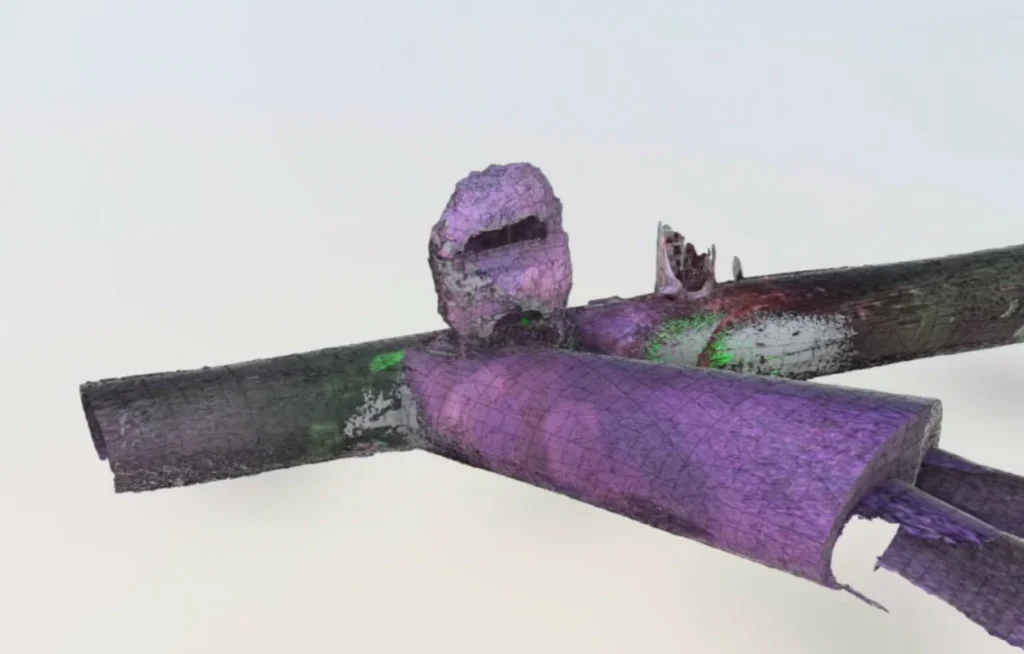
Good fit when:
the challenge
Problems below the slab or foundation are easy to miss until the effects rise to the surface
When soil washes out, loosens, settles, or separates from the underside of a structural element, the result can be hidden loss of support. Over time, that loss may show up as movement, cracking, uneven performance, or increasing structural concern — but by that point the subsurface condition may already be well advanced.
Common subsurface issues
- Voids below slabs, footings, or foundations
- Soil washout or erosion from water movement
- Differential movement or uneven support
- Settlement-related structural distress visible at the surface
- Hidden separation between the soil and the underside of the structure
Why remediation matters
- Restores support conditions where bearing has been compromised
- Helps reduce or arrest further movement before damage spreads
- Can address targeted zones rather than reconstructing the full area
- Supports broader structural durability and performance goals
- Can address both support loss and water-related subsurface causes
how it works
Identify the unsupported zone, then restore the support condition
Void and settlement remediation focuses on defining where the structure has lost support and introducing the right material or method to restore more reliable bearing conditions. Several approaches may be considered depending on the type, size, and cause of the void or settlement.
Step 01
Identify the void or movement condition
Determine where support has been lost and how the subsurface condition is affecting the structure. This may involve evaluating settlement patterns, slab performance, and moisture-related soil changes.
Step 02
Define the remediation zone
Map the area requiring support restoration rather than treating the entire structure blindly. Targeted work helps focus effort where the subsurface condition is driving the most structural risk.
Step 03
Fill or improve the subsurface condition
Introduce the selected method or material to restore support. Supporting source material references compaction grouting, contact grouting, structural foam, and flowable fill depending on the condition.
Step 04
Stabilize for longer-term performance
The objective is to restore load-transfer conditions beneath the affected area so the structure can resume performing as intended over time.
Key Benefits
Restore support where the structure needs it most
Restores bearing support
Helps rebuild more reliable support conditions beneath the affected structural element.
Targets hidden voids
Addresses subsurface gaps or unsupported areas that may not be visible at the surface.
Supports settlement risk reduction
Can help reduce or arrest continued movement caused by compromised subsurface conditions.
Can be used in focused zones
Allows targeted remediation without treating unaffected areas unnecessarily.
Improves load transfer
Helps re-establish how loads move from the structure into the supporting ground.
Multiple methods available
Can include compaction grouting, contact grouting, structural foam, or flowable fill depending on the condition.
Typical Applications
Where void and settlement remediation may be considered
This solution is most relevant for structures where hidden subsurface conditions are affecting bearing support, operational performance, or long-term stability.
Slabs with Lost Support
Conditions where the underside support has been compromised, washed out, or separated from the slab.
Foundations with Settlement Risk
Subsurface movement conditions where restoring bearing support is part of the repair strategy.
Localized Washout or Erosion Zones
Areas where moisture or water movement has undermined the ground condition and created unsupported areas.
Targeted Ground Improvement
Situations where the support issue is concentrated in one or more specific zones rather than across the full footprint.
Tunnel & Underground Void Conditions
Subsurface environments where voids or lost contact between soil and structure need to be addressed.
The Strucproof Approach
Start with the hidden condition below the structure
step 01
Diagnose
Confirm where hidden loss of support or movement risk exists below the structure.
step 02
Design
Develop the right remediation strategy for the void type, settlement condition, and structural need.
step 03
Implement
Carry out the targeted remediation work at the affected subsurface zone using the selected method.
step 04
Perform
Support better long-term load transfer and stability through improved support conditions.
Need to restore support beneath the structure?
If hidden subsurface loss is affecting structural performance, Strucproof can help identify the void condition and engineer the right remediation approach to restore reliable bearing support.